 Business License

Introduction to the full range of Motorola MVME167 product models
This is the model list of Motorola's MVME167 series products, which belong to the * * industrial grade embedded computing platform * * and are based on the VME bus standard. They have been widely used in scenarios that require high reliability and real-time performance (military, industrial control, aerospace, etc.). The following is a breakdown of the family positioning, model rules, and application value:
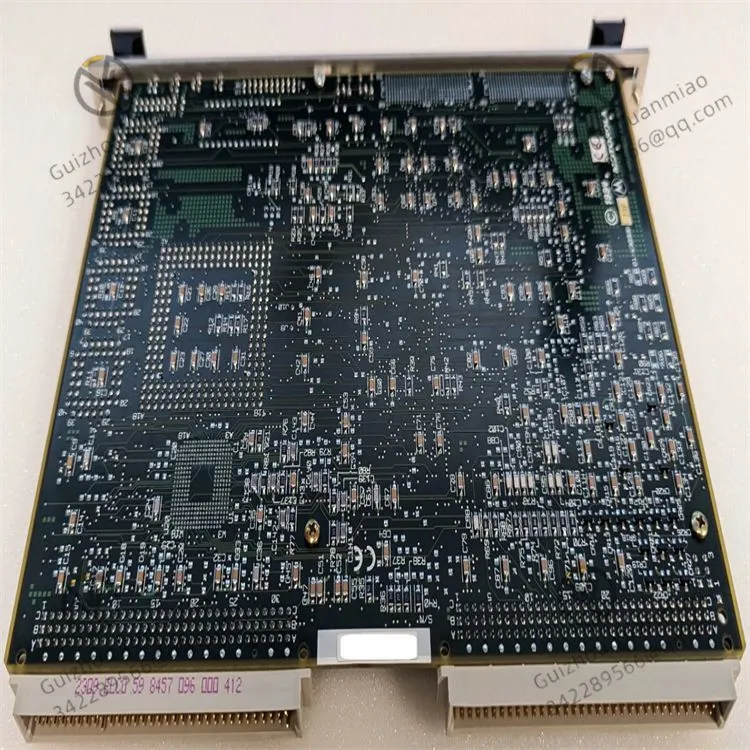
1、 Family positioning: the 'hard currency' of the VME bus era
MVME (Motorola Versatile Modular Element) is an industrial embedded computing family led by Motorola, which relies on the VME bus (high-speed parallel bus standard) to flexibly expand I/O and communication modules like Lego, and build distributed control systems.
The 167 series is a mid to high end model in the MVME family. Compared to the 162 series (basic model), it is more aggressive in terms of performance, scalability, and resistance to harsh environments. It is suitable for:
-Military industry: Ground testing of fighter jets, shipborne communication systems (capable of handling vibrations and electromagnetic interference);
-Industry: Core control units for petrochemical DCS (distributed control system) and power SCADA (data acquisition and monitoring);
-Aerospace: satellite ground stations, aircraft avionics testing platforms (high reliability essential).
2、 Model rule: The suffix hides the "password"
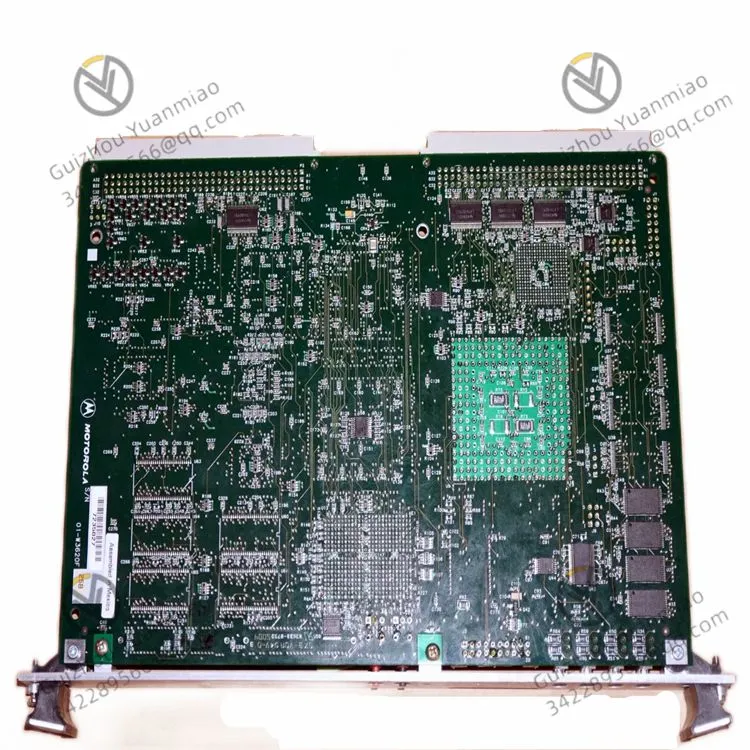
The models of MVME167 are divided into * * basic type (MVME167-XXX) * *, * * P series (MVME167P-XXX) * *, * * PA series (MVME167PA-XXX) * *, with suffix letter/number combinations corresponding to * * hardware configuration, functional focus, and industry adaptation * *:
|Model format | Core differences | Typical scenarios|
|----------------|---------------------------------------|-----------------------------------|
|MVME167-001A | Basic model, distinguishing CPU/memory/interfaces (e.g. -001A focuses on communication expansion) | Old factory DCS system "life extension"|
|MVME167P-24SE | With 'P' → Supports more module expansion (multiple I/O, encryption card); `SE ` → Add secure encryption | Military/Financial (data tamper proof, attack resistant)|
|MVME167PA-36SE | with 'PA' → highly integrated (soldering communication/encryption modules to the board); `SE ` → Secure Encryption | Shipborne Equipment/Compact Industrial Control Cabinet (Space Restricted)|
3、 Value: The Modern Meaning of 'Old Hardware'
-Industrial heritage "essential needs": The control system of old factories (petrochemical, power), due to the explosion of reconstruction costs (software change=shutdown risk), the MVME167 series is the core that "dare not upgrade", relying on it to maintain production line stability (such as temperature control of refinery reaction towers).
-* * Military/aviation "spare tire" * *: Some active equipment (fighter jet test bench, ship communication), due to the long adaptation cycle of new hardware (slow military certification), MVME167 is still "in service" as a backup control unit.
-* * Technical Archaeology "Specimen" * *: Embedded developers/industrial history enthusiasts will search for these boards, study * * VME bus architecture, early real-time operating systems (VRTX) * *, and experience the design logic of the "hardcore era" of industrial control.
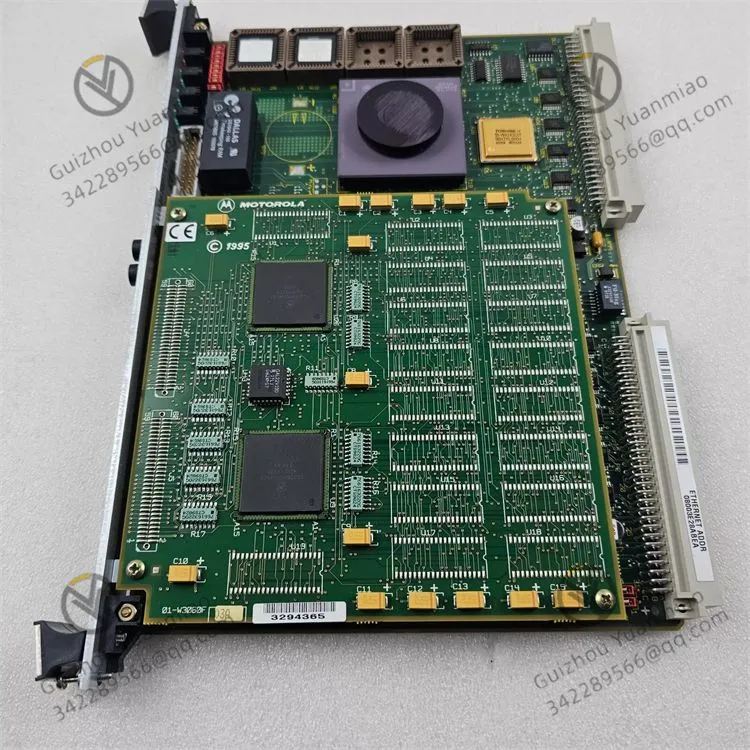
Simply put, the MVME167 series is a "living fossil" in the field of industrial embedded systems, witnessing the transition from "hardware defined functionality" to "software defined everything". It is now either a "pillar" in old systems or a "textbook" in technology museums, belonging to the "hardcore existence" that cannot be avoided in the history of industrial automation.
Recently Posted
-
ABB S-073N phase module in the ACS6000 system Medium voltage AC drive
August 19, 2025ABB S-073N phase module in the Medium voltage AC drive ACS 6000, 3–36 MW, up to 3.3 kVABB’s ACS 6000 medium voltage drive provides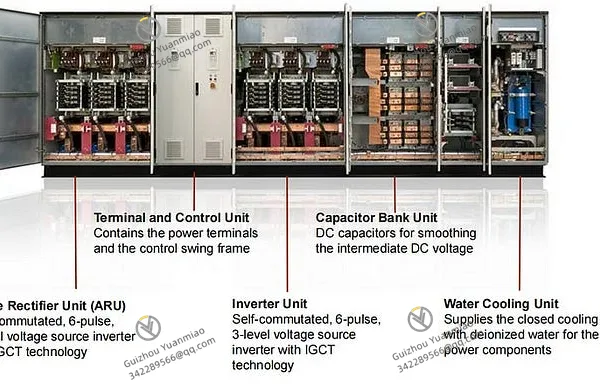 Read More
 -
Introduction to the Complete Series of Foxboro A/I Products
August 19, 2025P0926QS Convert Kit:CC Bay w/Single Post-Mount LCD MonitorP0700AD FBM03 Term Cable (3 Wire), DirectP0926QT Co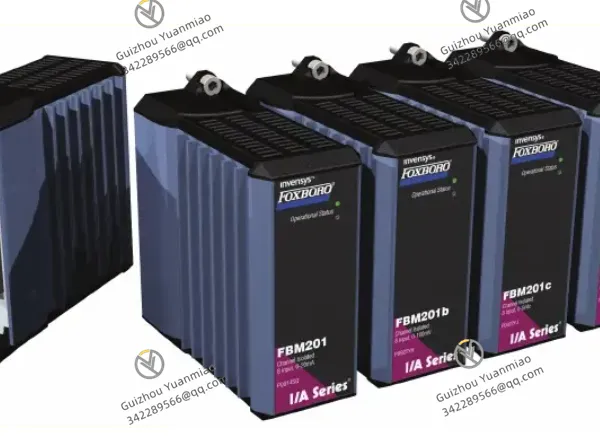 Read More
 -
Foxboro A/I Complete Series
August 19, 2025FBM242 P0916TA I/A Series Channel Isolated 16 Output ModuleP0973FW SMF fiber,duplex cable,LC/LC connectors, 15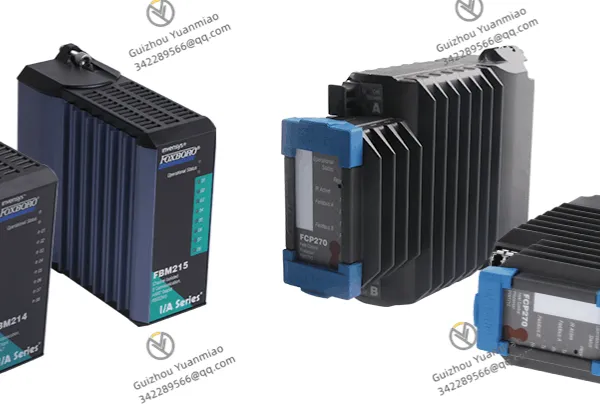 Read More
 -
Explanation on the Change in the Selection of the 3500/15 AC Power Supply Module
August 16, 2025Explanation on the Change in the Selection of the 3500/15 AC Power Supply ModuleRegarding the 350015 power module, Bentley Shengpi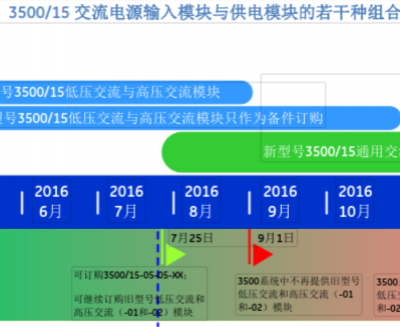 Read More

Contact Us
Recommended Products
-
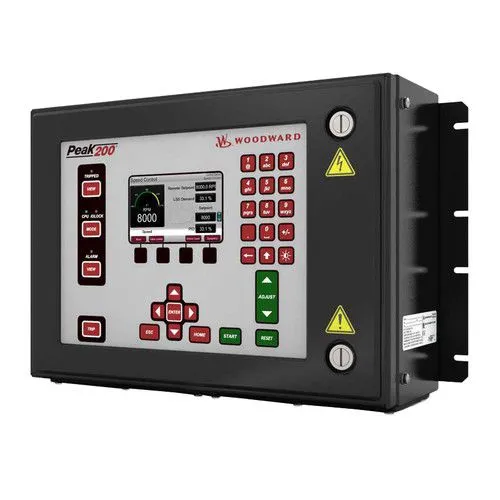
 Woodward 8200-1509 Peak200 Steam Turbine Digital ControllerNegotiableMOQ: 1 Piece
 -
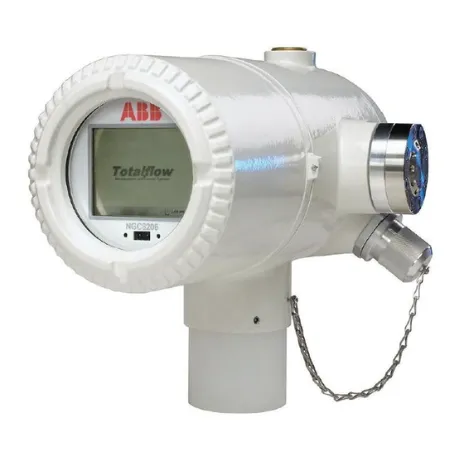
ABB NGC8206 Network Gateway Communication ControllerNegotiableMOQ: 1 Piece
-
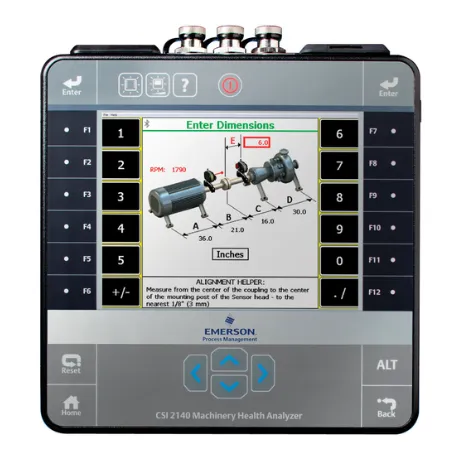
Emerson AMS -2140 Portable Four-channel Mechanical Health AnalyserNegotiableMOQ: 1 Piece
-
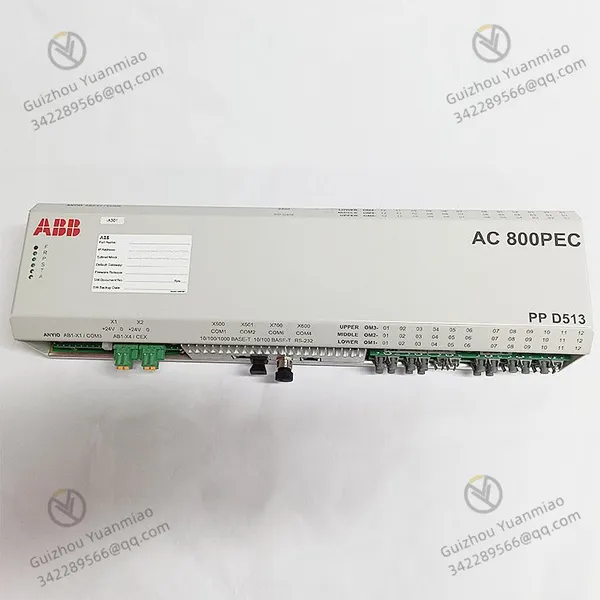
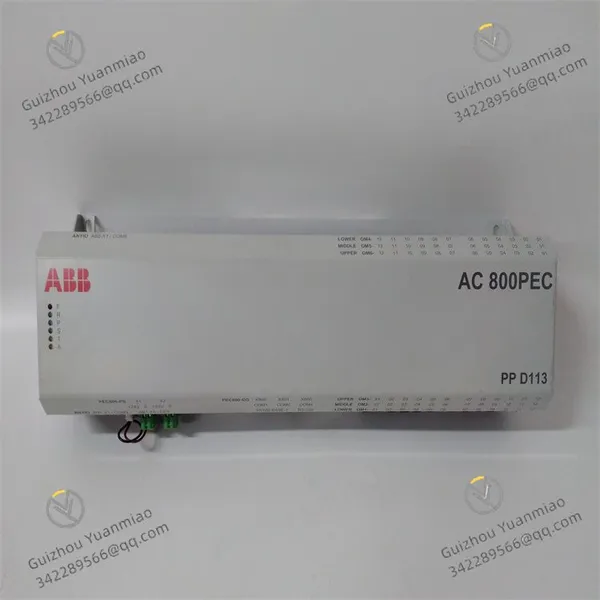
ABB PPD513A24-110110 AC800PEC ControllerNegotiableMOQ: 1 Piece
-
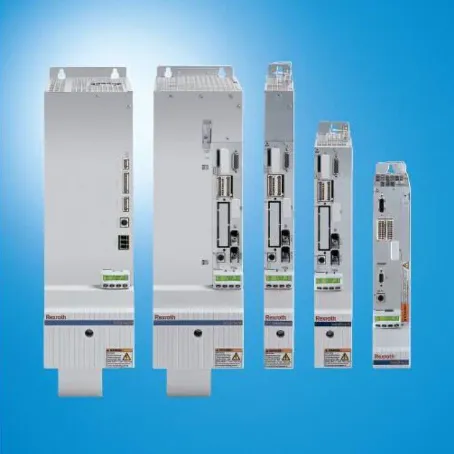
Rexroth HCS04.2E-W0350-N-04-NNBN Servo DriveNegotiableMOQ: 1 Piece
-
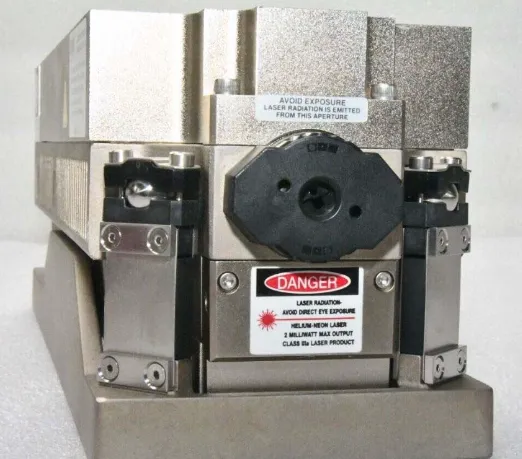
ZYGO ZMI-7714 Fibre-optic Laser Interferometry SystemNegotiableMOQ: 1 Piece
-
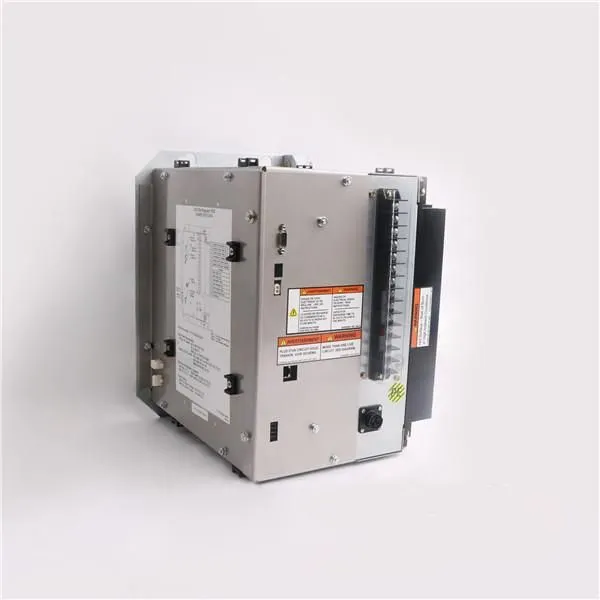
ABB PPD513A19-151000 3BHE039724R1932 Excitation ControllerNegotiableMOQ: 1 Piece
-
GE 151X1235DB10SA01 EX2100 Excitation System Power Supply UnitNegotiableMOQ: 1 Piece
-
GE 151X1235DB15SA01 EX2100E Generator Set Excitation SystemNegotiableMOQ: 1 Piece
-
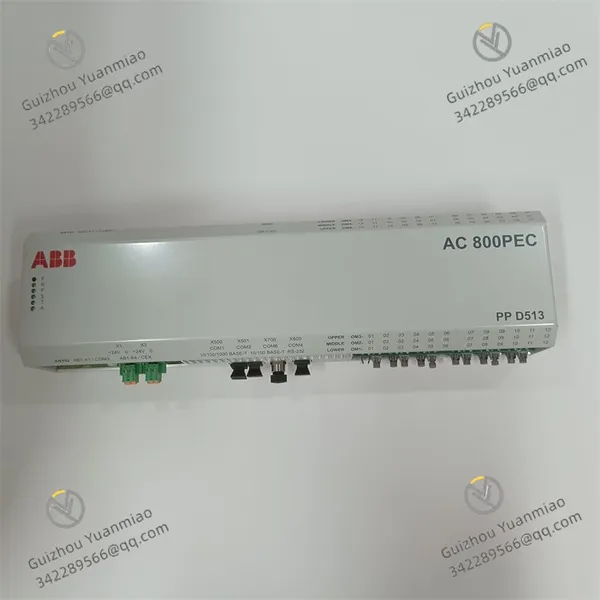
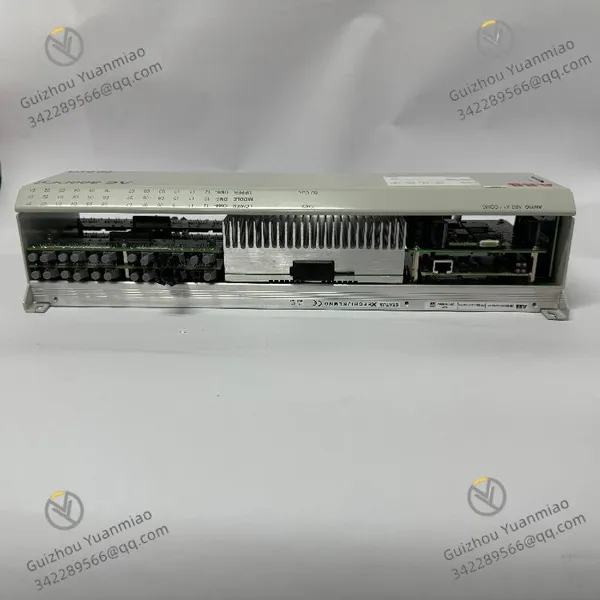
ABB PPD513A23-111615 3BHE039724R2365 AC 800PEC ControllerNegotiableMOQ: 1 Piece
-
ABB 3AUA0000019968 Control Drive BoardNegotiableMOQ: 1 Piece
-
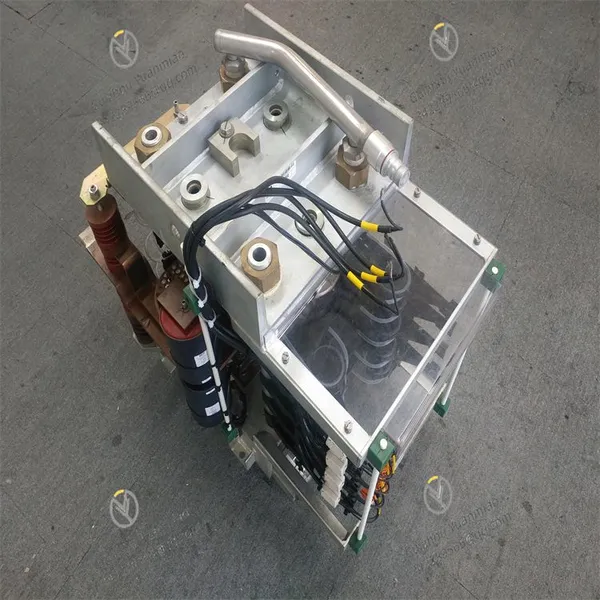
ABB S-073H 3BHB009884R0204 High-Voltage Frequency Conversion Phase IGCT Thyristor Combined Rack ModuleNegotiableMOQ: 1 Piece
-
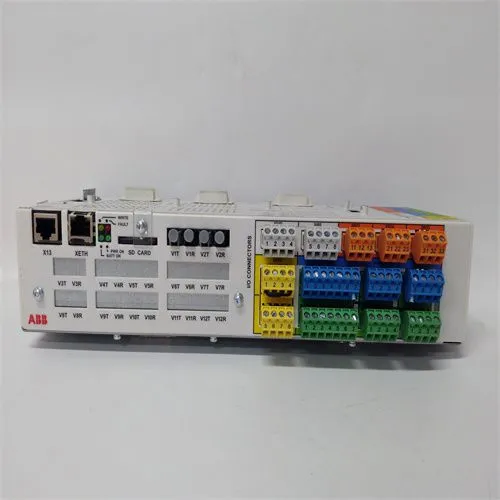
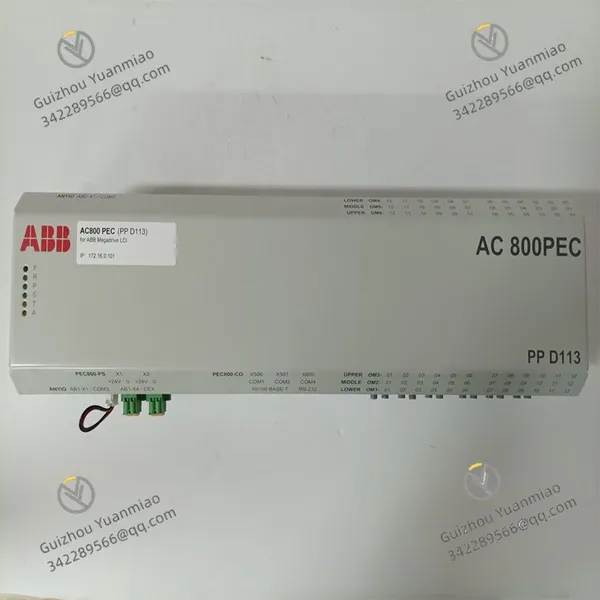
ABB PPD113B03-10-111611 3BHE023584R2046 AC800PEC ControllerNegotiableMOQ: 1 Piece
-
ABB PVD164 3BHE014340R1066 High-speed Interface / Bus Control BoardNegotiableMOQ: 1 Piece
-
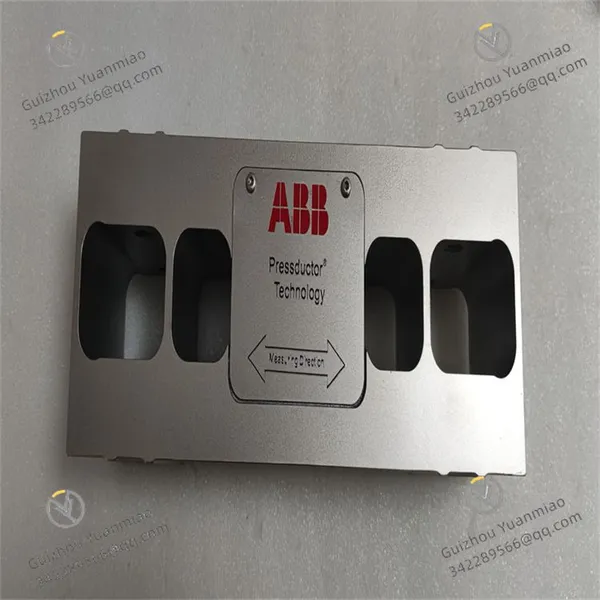
ABB PFTL101B-20KN 3BSE004203R1 Pressductor Load CellNegotiableMOQ: 1 Piece
-
GE IC670ALG310-JA 8-channel Isolated Analogue Voltage Output ModuleNegotiableMOQ: 1 Piece
-
GE IC670PBI001 Profibus-DP Bus Interface Unit (BIU)NegotiableMOQ: 1 Piece
-
GE IC693MDL640 Positive-logic Digital Input ModuleNegotiableMOQ: 1 Piece
-
GE IC697CPM790-GD GMR Redundancy CPU, 486, 2KNegotiableMOQ: 1 Piece
-
GE IC670MDL930J Relay Output ModuleNegotiableMOQ: 1 Piece