 Business License

User Manual for HIMA Controller System
As a well-known manufacturer in the field of safety control systems, HIMA's controller modules, terminals, and cables are widely used in industrial safety control scenarios such as petrochemicals and nuclear power. The following is a detailed introduction: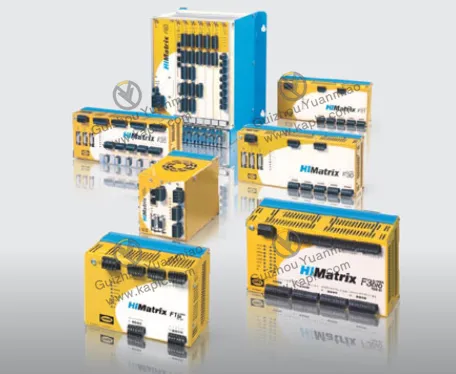
1、 HIMA controller module
The HIMA controller module is the core of its safety control system, designed based on a quadruple redundant structure (QMR) to meet high safety level requirements (such as AK6/SIL3). The common series and characteristics are as follows:
1. Typical module models and functions
CPU module (such as F8650X):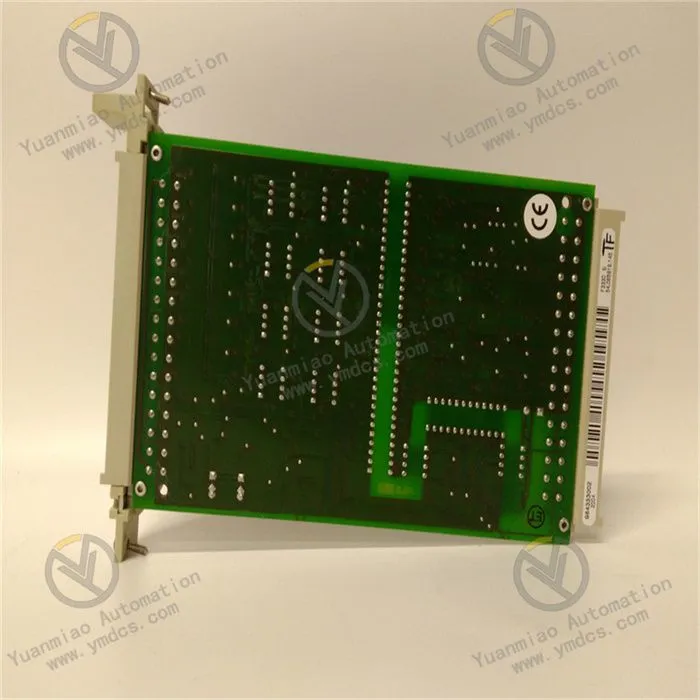
Adopting a quadruple microprocessor architecture, it has powerful computing and redundant fault-tolerant capabilities, and can process complex safety logic in real time to ensure stable operation in case of system failures (such as emergency shutdown logic control in petrochemical plants).
Supports multi protocol communication and can be integrated into DCS (Distributed Control System) to achieve data exchange with other devices.
Input/output module:
Digital input module (such as F3236): collects device switch status (such as valve opening and closing, device start stop signals), with high anti-interference design, suitable for industrial strong electromagnetic environment, ensuring accurate signal transmission.
Analog input module (such as F6217): processes continuous signals such as temperature, pressure, and flow (such as pressure monitoring in petrochemical pipelines), supports standard industrial signals such as 4-20mA and 0-10V, and has built-in signal conditioning circuits to ensure accuracy.
Digital output module (such as F3330): outputs control instructions to drive actuators (such as relays, solenoid valves), realizing equipment start stop, valve action, etc., using relay or solid-state output forms, adapted to different load types.
Communication/Interface Module: Responsible for data exchange between the system and the upper computer, other control systems, supporting industrial buses such as PROFIBUS, Ethernet, Modbus, etc., ensuring high-speed and stable data transmission, and achieving remote monitoring and control.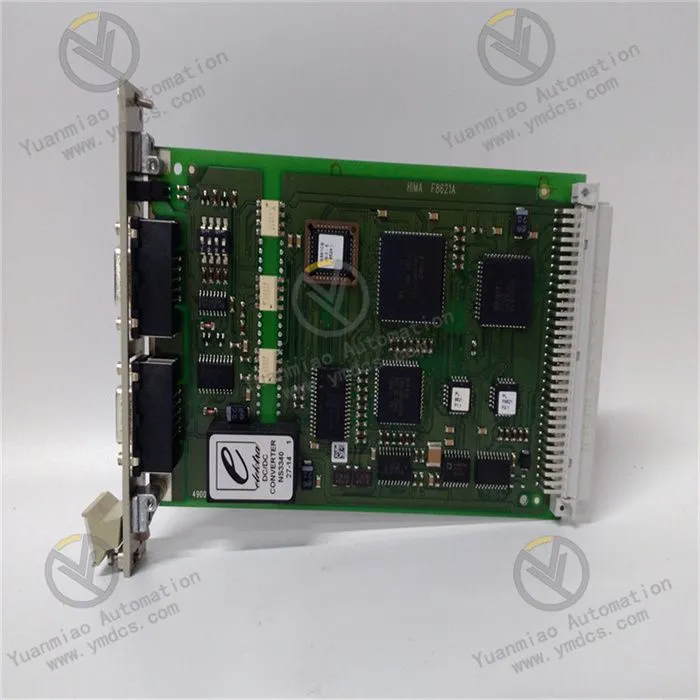
2. Application scenarios
Widely used in high-risk industrial fields:
Petrochemical industry: Emergency Shutdown System (ESD) for refineries and chemical plants, real-time monitoring of process parameters, rapid triggering of shutdown when exceeding limits, to prevent accidents from escalating.
In the field of nuclear power: safety control of nuclear island equipment, precise processing of reactor status, radiation monitoring and other signals to ensure the safety of nuclear facilities.
Rail transit: Train braking system, signal interlocking control, ensuring safe operation through high reliability modules.
2、 HIMA terminal
The HIMA terminal is the "connection bridge" between the controller module and the field equipment, which realizes the physical connection of signals. Its characteristics are as follows:
1. Type and Function
Signal terminal:
It is divided into input terminals (receiving on-site sensor signals, such as temperature transmitters and pressure switches) and output terminals (sending control signals to actuators, such as driving solenoid valves).
Adopting spring or screw wiring methods, spring wiring is fast and convenient, while screw wiring has high reliability and is suitable for different on-site construction needs.
Equipped with surge protection and overvoltage protection design, it suppresses industrial interference signals (such as lightning strikes and motor start stop surges) and protects module safety.
Power terminal: provides stable power input for the module, supports DC (such as 24V DC) or AC power supply, and some terminals integrate reverse connection protection and overcurrent protection functions to prevent abnormal power supply from damaging the module.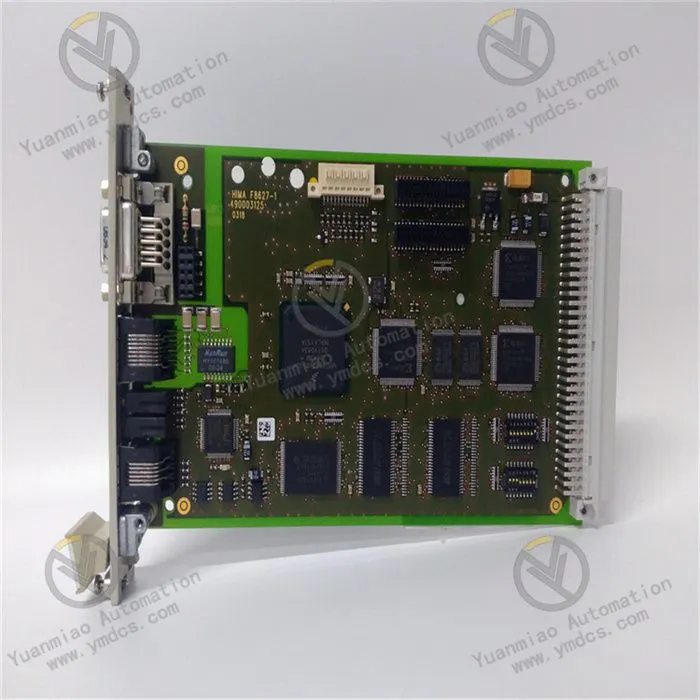
2. Design Features
Compact layout: Modular rack compatible with HIMA system, saving installation space and facilitating high-density I/O configuration (such as large petrochemical plants requiring a large amount of signal acquisition, compact terminals can reduce cabinet occupation).
Clear identification: The terminal block is printed with clear signal types and channel numbers, which, in conjunction with system drawings, simplify wiring debugging and post maintenance (such as quickly locating faulty channels).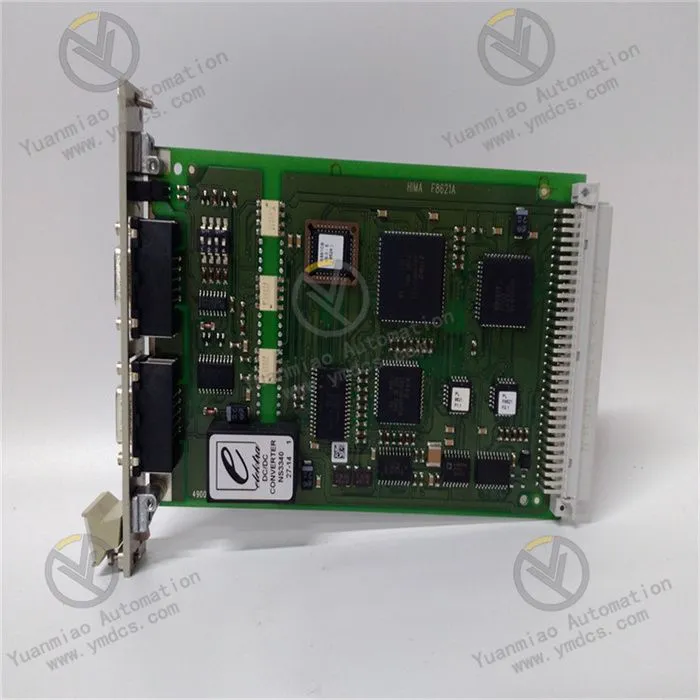
3、 HIMA cable
HIMA cables are used for signal transmission between modules, between modules and terminals/field devices, ensuring signal integrity and system reliability:
1. Type and Characteristics
Signal cable:
Shielded cables are mainly used, with tinned copper wire braided shielding layer, effectively resisting electromagnetic interference (such as electromagnetic radiation from frequency converters and motor groups in factories), ensuring accurate transmission of analog signals (such as 4-20mA) and digital signals.
Adapt to different signal types: Analog cables focus on low impedance and low capacitance to reduce signal attenuation; Digital cables emphasize high anti-interference ability to ensure accurate identification of switch signals' 0 'and' 1 '.
Communication cable:
According to the bus protocol design (such as PROFIBUS bus cable), the characteristic impedance is strictly matched (such as PROFIBUS is 150 Ω), ensuring signal reflection suppression during high-speed data transmission, suitable for long-distance communication between systems (such as communication between factory control rooms and field cabinets).
Partial support for redundant design (such as dual communication cable redundancy), where one cable automatically switches to the other when it fails, ensuring uninterrupted communication.
Power cable: Multiple copper core wires are used, with low resistance to ensure efficient power transmission. Some are equipped with filtering capacitors to suppress power ripple interference and provide stable power supply for the module.
2. Application and selection
Petrochemical scenario: In the refinery plant area, signal cables need to be resistant to oil and high temperatures (such as using fluoroplastic insulation), and adapt to harsh environments; Communication cables require stable long-distance transmission, and fiber optic or high protection bus cables are often selected.
Nuclear power scenario: Cables need to pass radiation and seismic certification to meet the strict environmental requirements of nuclear islands and ensure reliable communication and power supply of the system under accident conditions.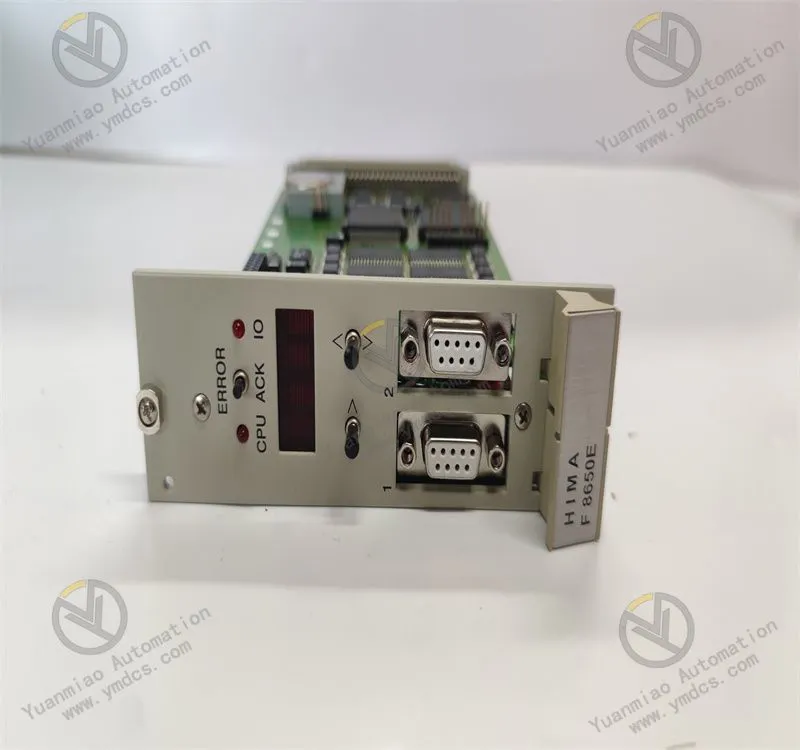
4、 System collaboration and advantages
HIMA controller module, terminals, and cables collaborate to build a high safety control system:
The module is responsible for logical operation and control, with precise terminal access to on-site signals and cable protection for signal interference free transmission. The three work together to achieve a complete safety control process of "signal acquisition → logical judgment → control output" (such as in the petrochemical ESD system, pressure transmitter signals are transmitted to the CPU module through terminals and cables, and after module operation and judgment, the safety valve is driven to operate through the output terminals and cables).
The core advantage is high reliability and safety level. Through quadruple redundancy, anti-interference design, and strict certification (such as SIL3), it ensures safe production in high-risk industrial scenarios (such as petrochemicals and nuclear power) and reduces the probability of accidents.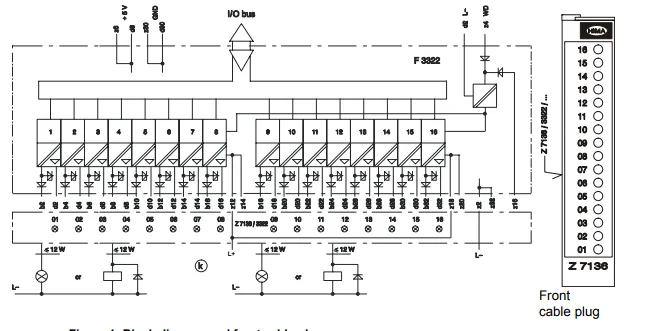
Recently Posted
-
ABB S-073N phase module in the ACS6000 system Medium voltage AC drive
August 19, 2025ABB S-073N phase module in the Medium voltage AC drive ACS 6000, 3–36 MW, up to 3.3 kVABB’s ACS 6000 medium voltage drive provides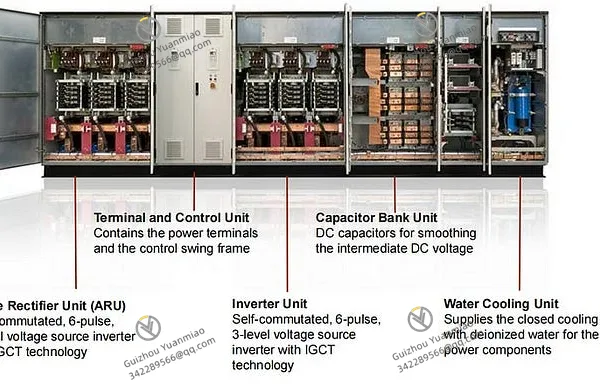 Read More
 -
Introduction to the Complete Series of Foxboro A/I Products
August 19, 2025P0926QS Convert Kit:CC Bay w/Single Post-Mount LCD MonitorP0700AD FBM03 Term Cable (3 Wire), DirectP0926QT Co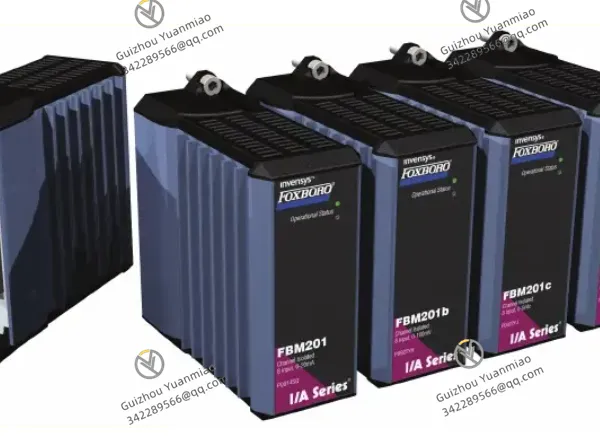 Read More
 -
Foxboro A/I Complete Series
August 19, 2025FBM242 P0916TA I/A Series Channel Isolated 16 Output ModuleP0973FW SMF fiber,duplex cable,LC/LC connectors, 15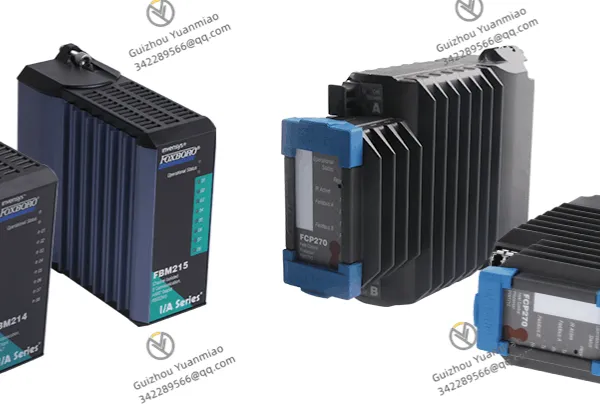 Read More
 -
Explanation on the Change in the Selection of the 3500/15 AC Power Supply Module
August 16, 2025Explanation on the Change in the Selection of the 3500/15 AC Power Supply ModuleRegarding the 350015 power module, Bentley Shengpi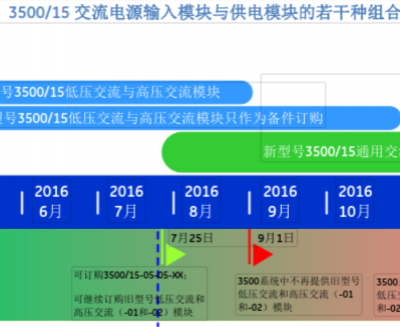 Read More

Contact Us
Recommended Products
-
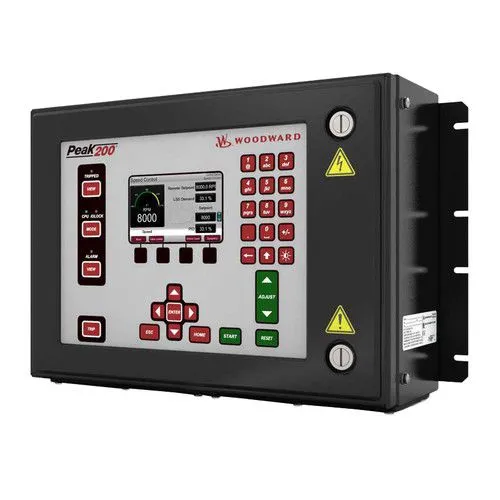
 Woodward 8200-1509 Peak200 Steam Turbine Digital ControllerNegotiableMOQ: 1 Piece
 -
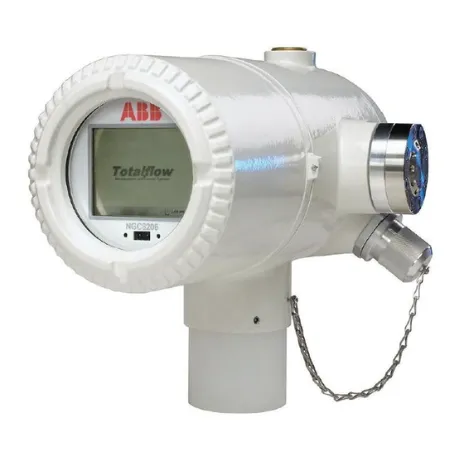
ABB NGC8206 Network Gateway Communication ControllerNegotiableMOQ: 1 Piece
-
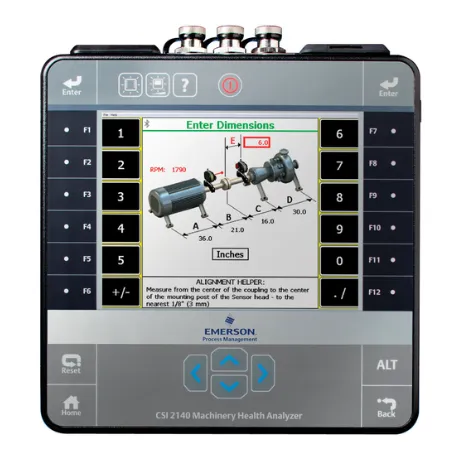
Emerson AMS -2140 Portable Four-channel Mechanical Health AnalyserNegotiableMOQ: 1 Piece
-
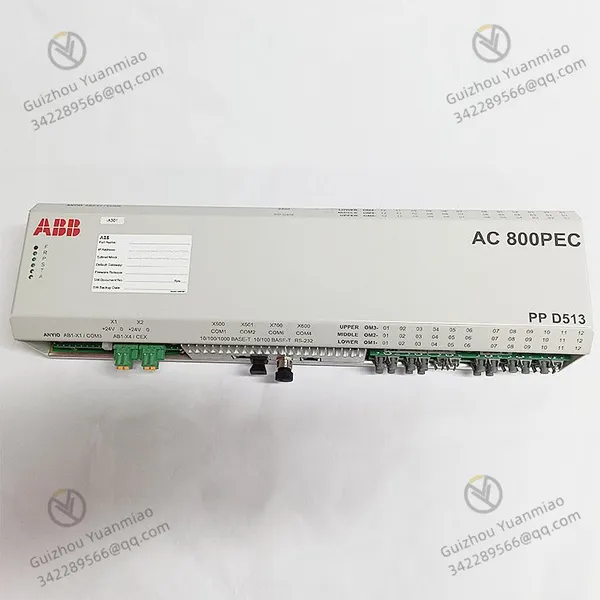
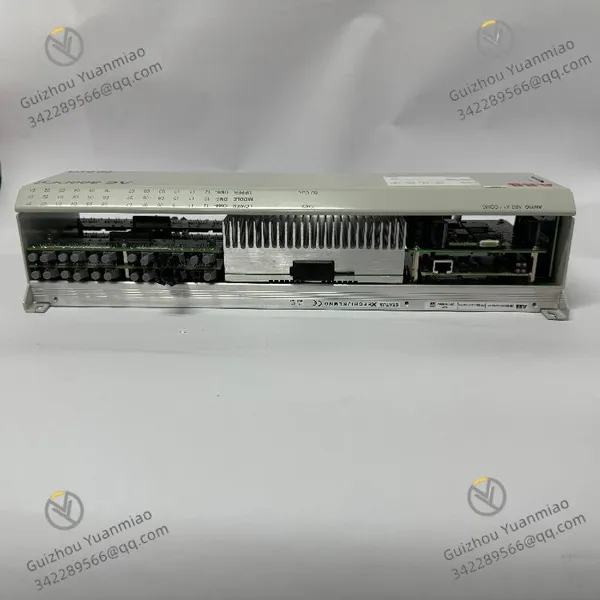
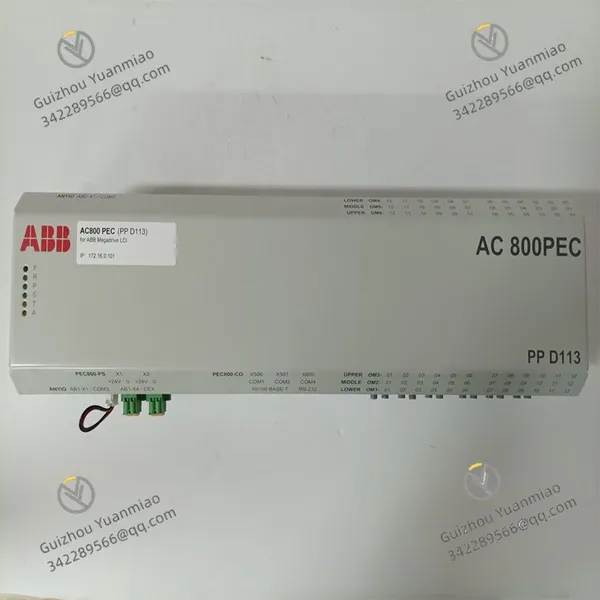
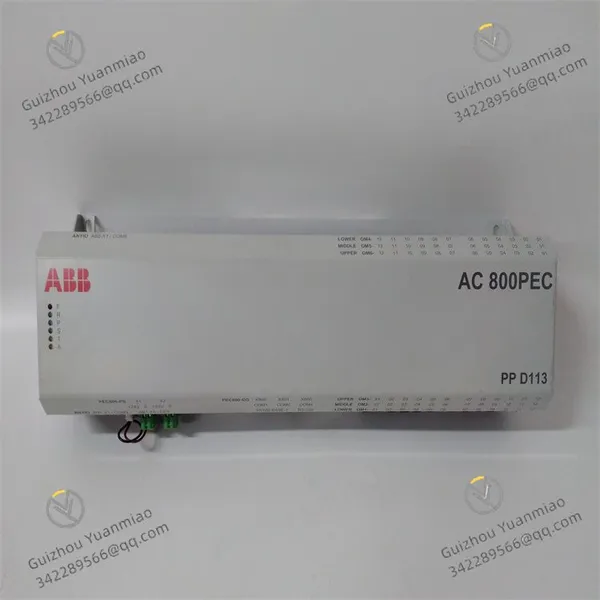
ABB PPD513A24-110110 AC800PEC ControllerNegotiableMOQ: 1 Piece
-
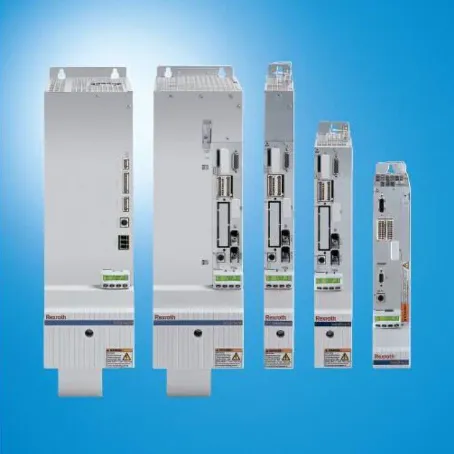
Rexroth HCS04.2E-W0350-N-04-NNBN Servo DriveNegotiableMOQ: 1 Piece
-
ZYGO ZMI-7714 Fibre-optic Laser Interferometry SystemNegotiableMOQ: 1 Piece
-
ABB PPD513A19-151000 3BHE039724R1932 Excitation ControllerNegotiableMOQ: 1 Piece
-
GE 151X1235DB10SA01 EX2100 Excitation System Power Supply UnitNegotiableMOQ: 1 Piece
-
GE 151X1235DB15SA01 EX2100E Generator Set Excitation SystemNegotiableMOQ: 1 Piece
-
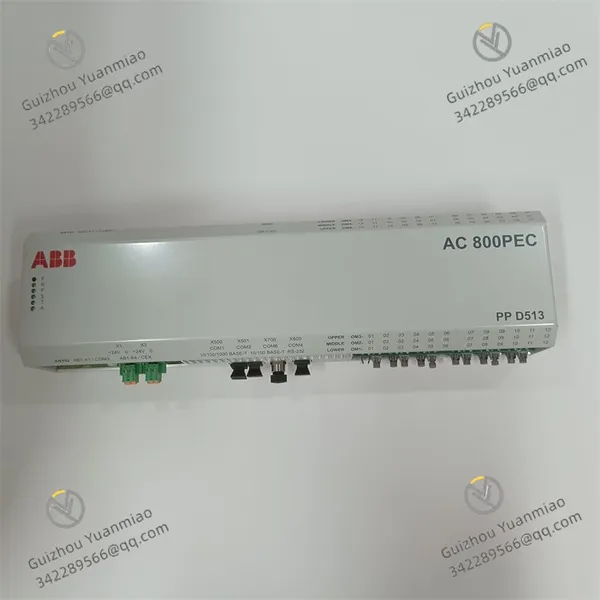
ABB PPD513A23-111615 3BHE039724R2365 AC 800PEC ControllerNegotiableMOQ: 1 Piece
-
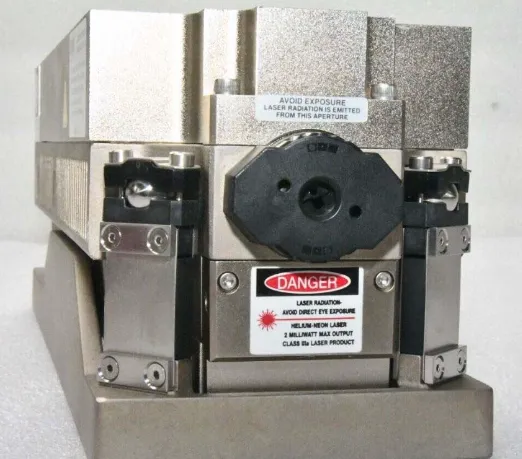
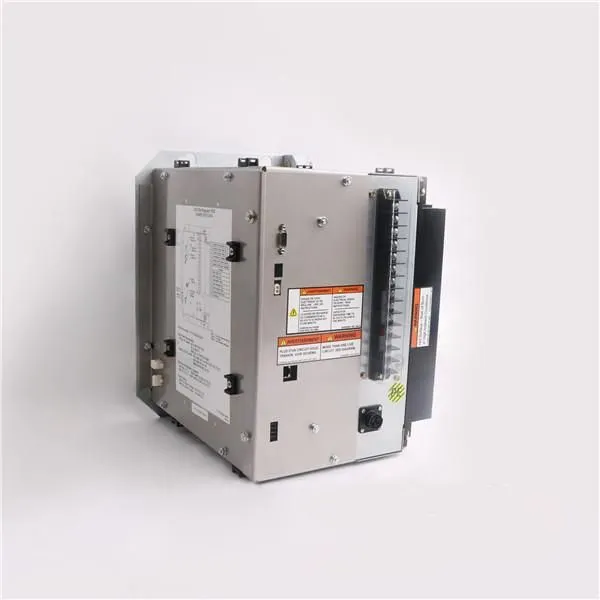
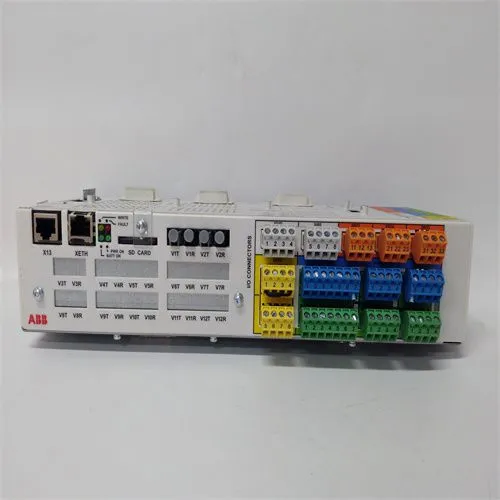
ABB 3AUA0000019968 Control Drive BoardNegotiableMOQ: 1 Piece
-
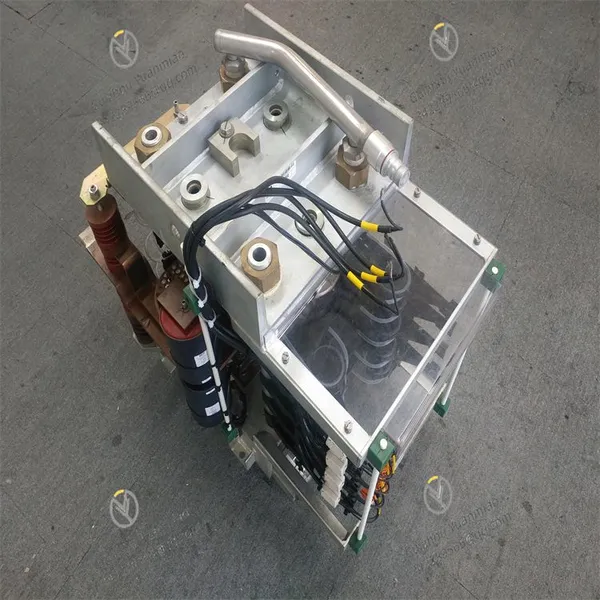
ABB S-073H 3BHB009884R0204 High-Voltage Frequency Conversion Phase IGCT Thyristor Combined Rack ModuleNegotiableMOQ: 1 Piece
-
ABB PPD113B03-10-111611 3BHE023584R2046 AC800PEC ControllerNegotiableMOQ: 1 Piece
-
ABB PVD164 3BHE014340R1066 High-speed Interface / Bus Control BoardNegotiableMOQ: 1 Piece
-
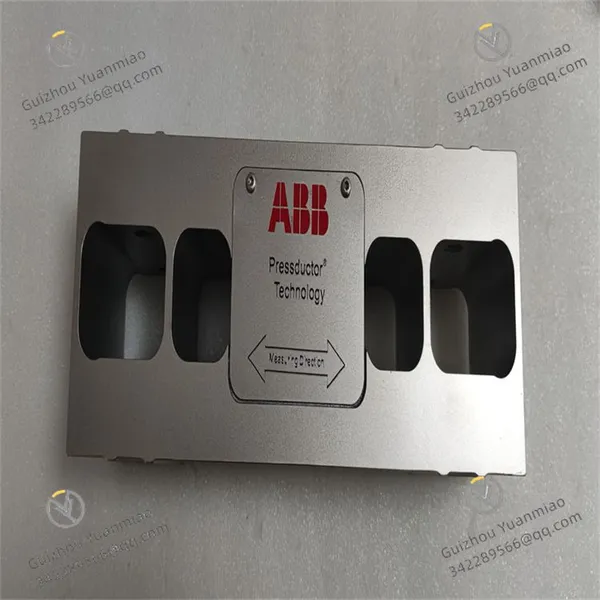
ABB PFTL101B-20KN 3BSE004203R1 Pressductor Load CellNegotiableMOQ: 1 Piece
-
GE IC670ALG310-JA 8-channel Isolated Analogue Voltage Output ModuleNegotiableMOQ: 1 Piece
-
GE IC670PBI001 Profibus-DP Bus Interface Unit (BIU)NegotiableMOQ: 1 Piece
-
GE IC693MDL640 Positive-logic Digital Input ModuleNegotiableMOQ: 1 Piece
-
GE IC697CPM790-GD GMR Redundancy CPU, 486, 2KNegotiableMOQ: 1 Piece
-
GE IC670MDL930J Relay Output ModuleNegotiableMOQ: 1 Piece